
Supported development of the Concept Paper on the National Assessment for general education
Supported development of the Concept Paper on the National Assessment for general education, and presented a new scoring scale of learning achievements
This resource is dedicated to the Russia Education Aid in Development program (READ) implemented by the Ministry of Finance of the Russian Federation and the World Bank

Supported development of the Concept Paper on the National Assessment for general education, and presented a new scoring scale of learning achievements

Conducted the third round of trainings for 40 test developers and National Testing Center (NTC) staff on the basics of item writing for multiple-choice questions for all grade 11 subjects, with a focus on the evaluation of test items developed and quality assurance steps
As part of the cooperation between the components of the READ Program CICED developed an information portal dedicated to the implementation of the READ Program. The work of the portal implies active interaction not only between the components of the READ Program, but also representatives of organizations in the countries responsible for the implementation of…
CICED experts started participation in UNESCO Global Alliance for Monitoring Learning (GAML)
Provided government officials with exposure to test items, testing patterns, analysis, and reporting standards of PISA through study visit to the OECD in Paris in October 2018

METHODOLOGY OF LESSON WITH IN-BUILT DIAGNOSTICS The use of assessment results should also not be limited to providing numerical characteristics of the level of development of academic and subject competencies of students. In order to effectively manage education, it is necessary to provide the opportunity to use the findings of research in the pedagogical activities…

TOOL FOR DIAGNOSING TEACHING PRACTICES Effective teaching and qualified teachers are the key conditions that ensure the quality of education. Such an unequivocal conclusion was formulated based on the results of international research on the educational achievements of students (PISA, TIMSS, PIRLS). The challenge of identifying teaching factors related to learning outcomes is crucial. The…

LEARNING METRICS TASK FORCE (BROOKING INSTITUTION AND UNESCO INSTITUTE OF STATISTICS) The reason for the launch of the project Learning Metrics Task Force (LMTF) was the data of the EFA World Monitoring Report 2012. According to the report, 250 million children of primary school age cannot read, write or count, including those who have attended…

General education quality analysis/diagnosis framework (GEQAF) Both developed and developing countries are well aware of the quality crisis in global education and its development consequences. The global UNESCO Education For All agenda has also identified quality as requiring attention. UNESCO Member States have therefore overwhelmingly called on the Secretariat to redouble its technical support for…
CICED organizes study-tours to partner organizations and educational institutions in READ countries. Study tours help to gain knowledge about educational system and standards of READ countries, modern trends in assessment utilized by leading organizations, stimulate knowledge and experience exchange. In 2017 group of Russian experts has attended short term overview course at the Word Bank…
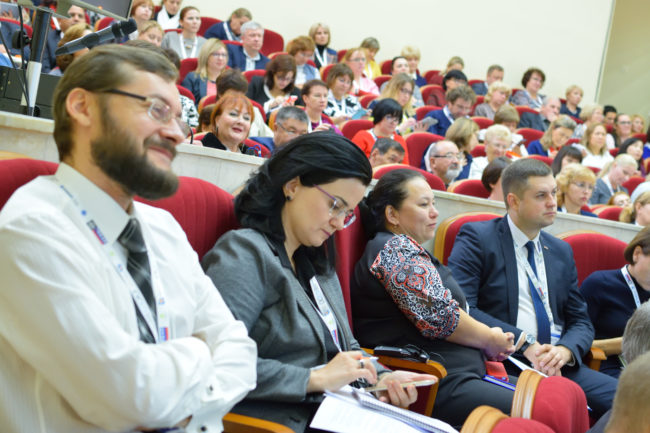
CICED annual conference is a platform for experience and opinions exchange among specialists from CIS countries and Russia. By organizing conference CICED initiates lively discussions on the topics of the application and use of the technologies for educational assessment, developed by Russian and international experts, conducted workshops and lectures by leaders in assessment, presents modern…

In 2016 CICED launched series of the contests of research projects and assessment practices and approaches that are already in place and show good results. The target audience is: teachers and methodologists, specialists of regional testing and assessment centers, students and PhD students, teachers and lecturers. In 2017 CICED launched the contest for teachers and…

CICED has established distant learning platform at learn.ciced.ru to conduct short term training and courses. The educational platform utilizes the modern tools for effective distance learning. Likewise internationally recognized educational platforms (Coursera, etc.) CICED’s distant learning is practice oriented and provides free access to everybody who is interested in receiving knowledge and skills on the new trends…

ICT IC Literacy Test – a specially developed assessment instrument which allows to measure how well students who transition from middle to high school function in digital environment, e.g. use modern information and communication technologies which enable access new knowledge and can be used for communication and research activities. This test assesses the level of cognitive…
SAM In the framework of the READ Program in 2008-2015 a theoretical model and a bank of items were developed for two versions of SAM for primary school students. The theoretical framework of the SAM tool relies upon the teaching/learning process concept based on L.S. Vygotsky’s theory of cognitive growth. SAM is noted for the…
INTERNATIONAL RESEARCH OF STUDENT ACHIEVEMENTS The main objective of the research is to analyze the relationship between the development of cognitive skills and approaches to the teaching of mathematics in elementary school to determine the most effective practices. The research will be conducted in close cooperation with the teams of the National Center for Evaluation…

New Training Center is established within the READ II. Center will provide participants with short-term training courses and lectures through distance learning and offline lectures and seminars. All courses will be dedicated to educational assessment, modern trands and management and will target wide audience from teachers to policymakers. All courses will be free and available…

This new program is launched within the READ II program for the first time. The program is aimed at specialists at the start of their career as well as at top tier experts with long background and solid experience. The program provides following opportunities: 1) international internships for students pursuing master’s degree programs in educational…

The Small Grants Program (SGP) was developed together with the READ RAS. It was launched in 2009 and was run six times. The main goal of SGP is the development of expert capacity in the sphere of education quality assessment and educational management in the Russian Federation and CIS countries. The program is financed by…

Answering demand for the quality MA program in educational management and assessment for CIS countries, The Moscow City University developed “Master of Arts (MA) Degree in Education Quality to CIS countries”. Paring with one of the leading universities in Central Asia this program will provide opportunity for effective capacity building and knowledge sharing.

Moscow Higher School of Economics will have it’s first cohort of students for the newly developed Ph.D. program in 2018-2019 academic year. The program is aimed at specialists who’s academic interest lies within in-depth educational statistics and psychometrics. There will be scholarships available. Scholarships will be awarded on a competitive basis for students from Russian Federation,…
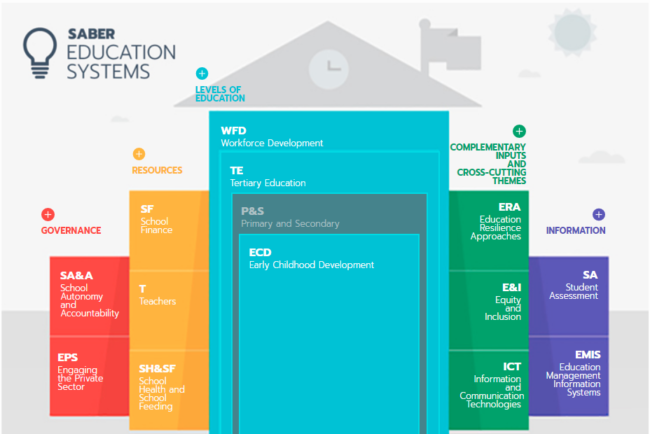
SABER highlights key policy choices for government officials and decision makers. The SABER data collection and analysis in each domain are built around an analytical framework that highlights for policymakers and other actors the most important (and actionable) policy choices to spur learning. Each analytical framework is based on an in-depth survey of the most…
SABER-Student Assessment makes available information and tools based on the latest evidence for “what matters most” in creating effective assessment systems. It involves: classifying and analyzing student assessment systems around the world according to key criteria; collecting information on these key criteria by administering a set of questionnaires in a particular country; producing country and…
Strengthening the Classroom Assessment System Focal Areas Enhancing classroom assessment practices nationwide September 2017 Achievements Baseline benchmarking of current assessment system using SABER-Student Assessment tools Completed draft SABER-Student Assessment reports with baselines for work on classroom assessment practices in the primary and secondary grades Presentation of findings from SABER-Student Assessment reports at National Strategy for…

Strengthening Assessment and Examination Systems in Nepal’s School Sector Focal Areas Enhancing stakeholder capacity to use assessment data to improve teaching and learning High-stakes examination program reform September 2017 Achievements Baseline benchmarking of current assessment system using SABER-Student Assessment tools International expert hired to provide technical support to Education Review Office (ERO), National Examination Board…

Support to Early Grade Reading and Mathematics Assessments Focal Areas Enhancing stakeholder capacity to use assessment data to improve teaching and learning Training and professional development of teachers in use of classroom assessment practices September 2017 Achievements Baseline benchmarking of current assessment system using SABER-Student Assessment tools Analysis of data collected under country’s first-ever nationally-representative…

Strengthening Student Assessment for Improved Learning Focal Areas Enhancing stakeholder capacity to use assessment data to improve teaching and learning High-stakes examination program reform Training and professional development of teachers in use of classroom assessment practices September 2017 Achievements Baseline benchmarking of current assessment system using SABER-Student Assessment tools Hiring of local experts to work…

Improving Assessment Systems in India and South Asia Focal Areas Enhancing stakeholder capacity to use assessment data to improve teaching and learning Setting up regional network for sharing of good practices and resources on assessment September 2017 Achievements Baseline benchmarking of current assessment activities using SABER-Student Assessment tools Ongoing support to Government of India…

Strengthening National Capacity and Feedback Mechanisms for Assessments Focal Areas Dissemination and feedback mechanisms for National Assessment results Enhanced capacity to use National Assessment data with other stakeholders September 2017 Achievements Baseline benchmarking of current assessment activities using SABER-Student Assessment tools Completion of detailed implementation plan for the project Hiring of firm and completion of…

Strengthening Educational Assessment Capacity to Support Better Learning Outcomes Focal Areas Enhancing stakeholder capacity to use assessment data to improve teaching and learning High-stakes examination reform Training and professional development of teachers in use of classroom assessment practices September 2017 Achievements Baseline benchmarking of current assessment activities using SABER-Student Assessment tools Hiring of experts to…
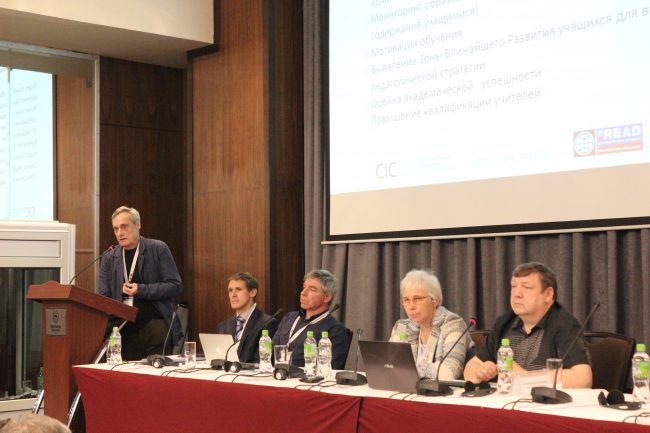
The CICED session was organized within the framework of the EAOKO VII Annual International Conference “Assessment of the quality of education at different levels”, which was held in Dushanbe in October 2018. The speakers were the leading Russian experts, specialists from the Moscow City University, the Open Institute “Developing Education” and the Russian Academy…
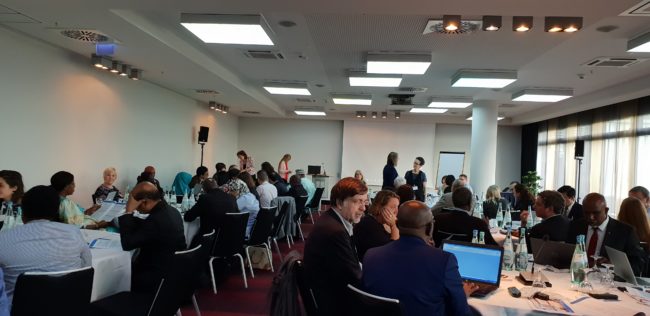
In October 2018, Russian experts took part in the fifth meeting of the Global Alliance to Monitor Learning, UNESCO. The UNESCO Institute for Statistics plays a crucial role in implementing the SDG Agenda 2030, implementing a set of activities to develop comparable quantitative indicators of education development for all countries, statistical approaches and monitoring tools…

Discussed the draft secondary analysis of the NSBA 2017 with a group of key experts
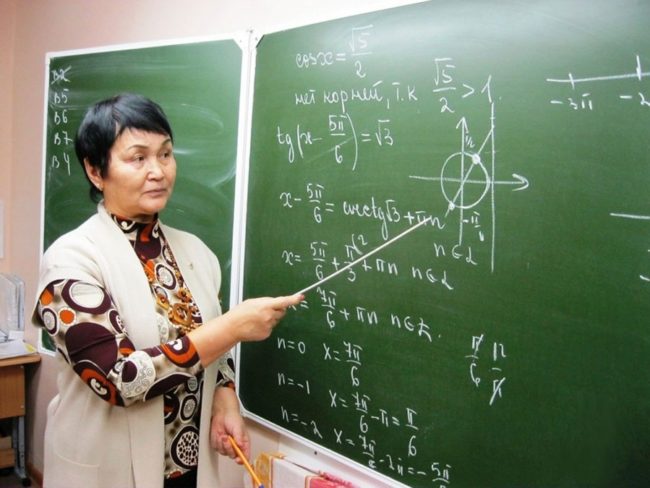
Trained four Kyrgyz psychometricians at Cito on the technical aspects of secondary analysis of the 2017 National Sample Based Assessment (NSBA) results, including on Item Response Theory (IRT) modeling and on designing sample based national assessments

The READ 2 RAS Program continues supporting Russia in building the capacity of its experts and researchers in measuring and improving the quality of education. The READ 2 RAS Program continues supporting Russia in building the capacity of its experts and researchers in measuring and improving the quality of education. Two Russian universities continue…
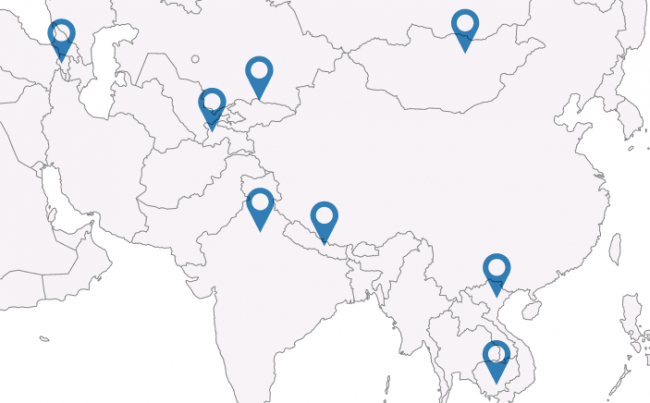
All of the eight READ 2 Trust Fund grant recipient countries continue implementing their project activities. Countries share their recent activities and achievements, as well as plans for the next three months. Read more
Next month, at the Annual Meetings of the International Monetary Fund (IMF) and the World Bank Group in Bali, Indonesia, the World Bank will reiterate to key stakeholders that investment in human capital is crucial for economic development. Central to the World Bank’s motivation for the Human Capital Project (HCP) is evidence that investments in…
Sustainable Development Goal (SDG) 4 Monitoring Goal 4 of the United Nations’ Sustainable Development Goals (SDG) focuses on ensuring inclusive and equitable quality education and promoting lifelong learning opportunities for all. It is a critical goal for World Bank client countries, many of which still struggle with ensuring that children stay in school and learn.…
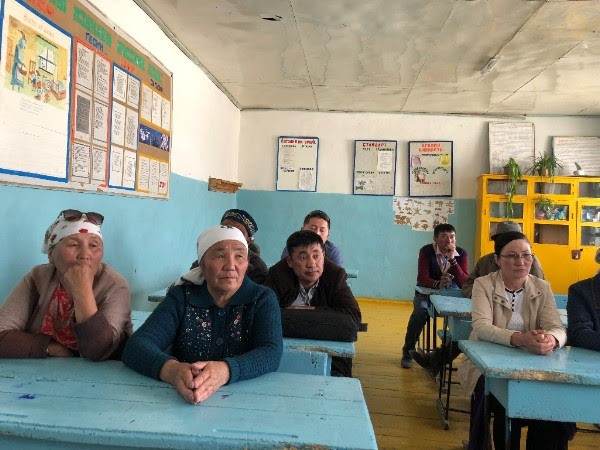
On April 25, 2018, a group of Kazakh parents whose children were attending the Bayannuur School joined a consultation meeting with the project team of Mongolia’s Education Quality and Reform Project (EQRP) to share their thoughts on their children’s learning needs and experiences at school. The school is located in a rural district near a…
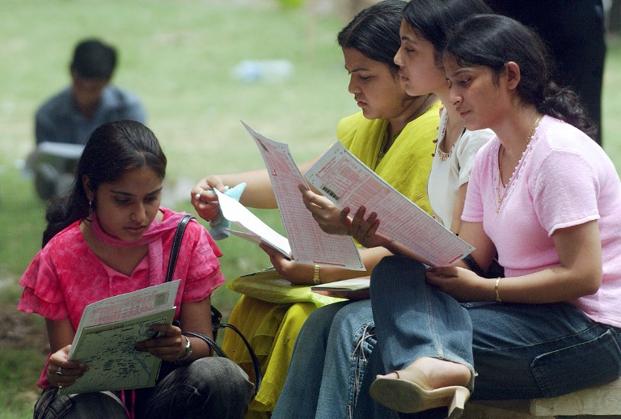
Completed a report on background data analysis for mathematics achievement on the 2014 Grade 10 NAS and reached an agreement with NCERT that analysis on an additional subject of the Grade 10 NAS will be carried out by the Educational Survey Division (ESD) team

Held a final workshop on developing teacher guides and customized reports on the Grade 8 National Assessment results in Math, Physics, and Khmer (language) for 25 participants, including from the Education Quality Assurance Department, subject experts, and teachers Finalized a teacher guide for Mathematics and Physics based on the results of the Grade 8 National…

Prepared an item writing manual for test item writers following a two-day manual revision workshop
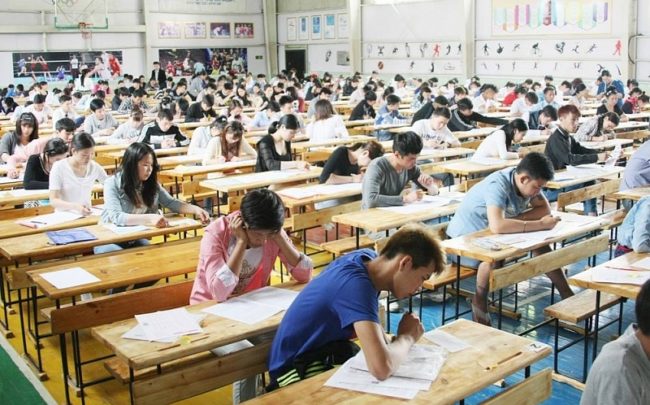
Conducted a brainstorming workshop with the Mongolian National University of Education (MNUE) and MECSS to develop strategies for improved pre-service teacher training on formative assessments for reading and math skills in the primary grades, with ongoing development of recommendations for options around material support to the MNUE and specific training needs of teaching faculty
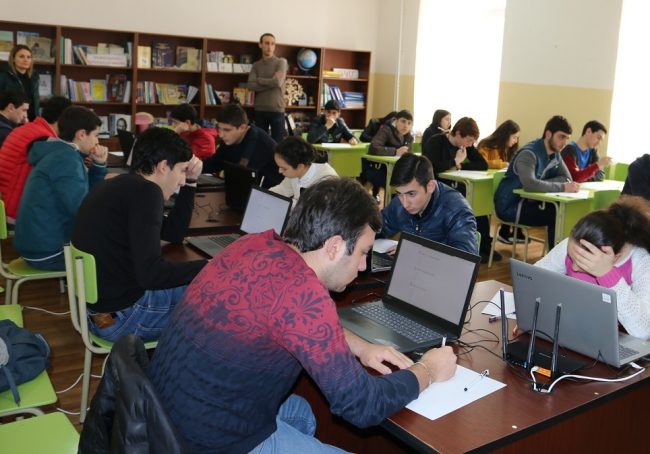
Finalized the analysis of the pilot results of the Computer-Based Test (CBT) in Mathematics for Armenia’s Unified Entrance Examination (UEE)
The manual and the book on assessment tool that measures subject competencies of school students of SAM have been published. Tests of SAM (Student Achievements Monitoring) in educational practice. Author: Nezhnov P.G. The manual is devoted to the system to monitor educational results, called SAM (Student Achievements Monitoring). The book is addressed to teachers,…
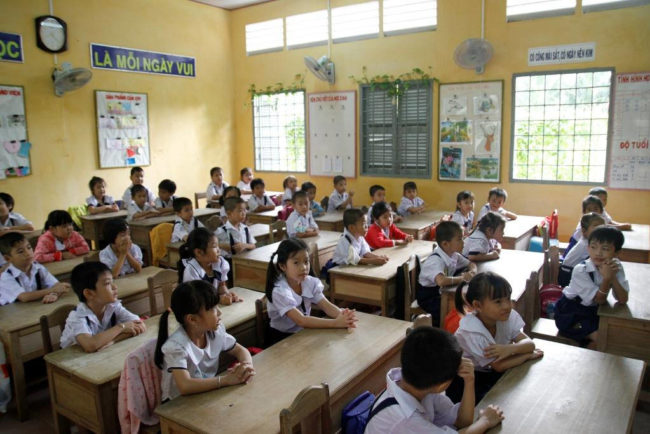
Initiated drafting of new systematic criteria on reading scales covering beginner to advanced reading proficiency using guidance from the background paper
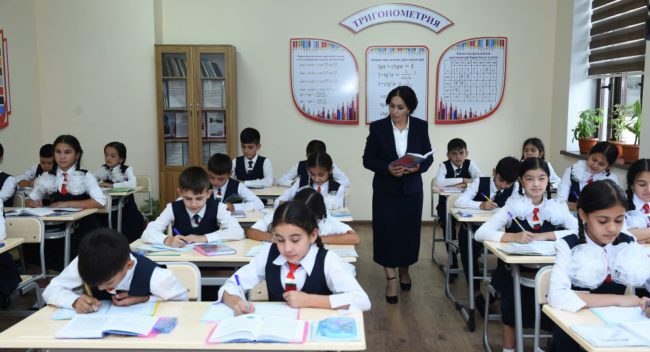
Developed the pilot monitoring and mentoring mechanism, which details how the trained teachers will be monitored and provided with methodological support from a team of mentors
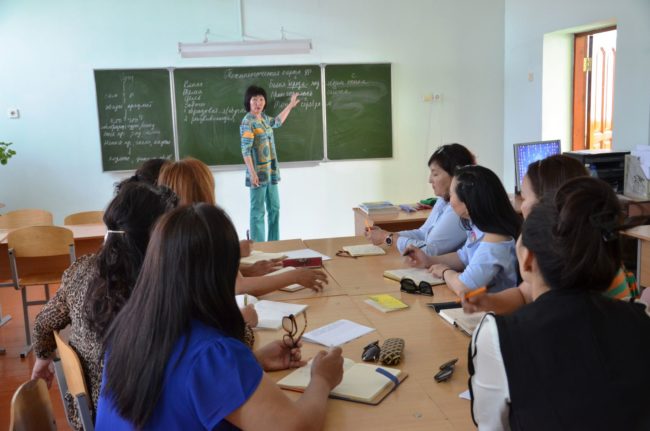
Pre-tested the teacher training module for the national reading intervention and delivered training to master trainers who will in turn train primary grade teachers in 108 schools. The master teacher training included two officials from MECSS, 30 provincial education officers, five staff members from the Institute of Teacher Professional Development (ITPD), and five staff members…

Held a rigorous 5-day item writing training (IWT) for 65 subject experts (English, Math, Science, Nepali, and Social Studies) organized by the National Examinations Board (NEB) with technical support from international and national experts; selected 40 subject experts from the IWT attendees to form item writing groups for Language, Math, and Science

Generated State and District Report Cards for 610 districts across 34 states for the Grade 10 National Achievement Survey (NAS) based on a finalized template and distributed the report cards to all states and districts to showcase findings from the Grade 10 NAS. The district report cards are publicly available on the National Council of…